
Seacoast NH Lawn Care: Spring Pre-emergent Weed Control and Grub Control
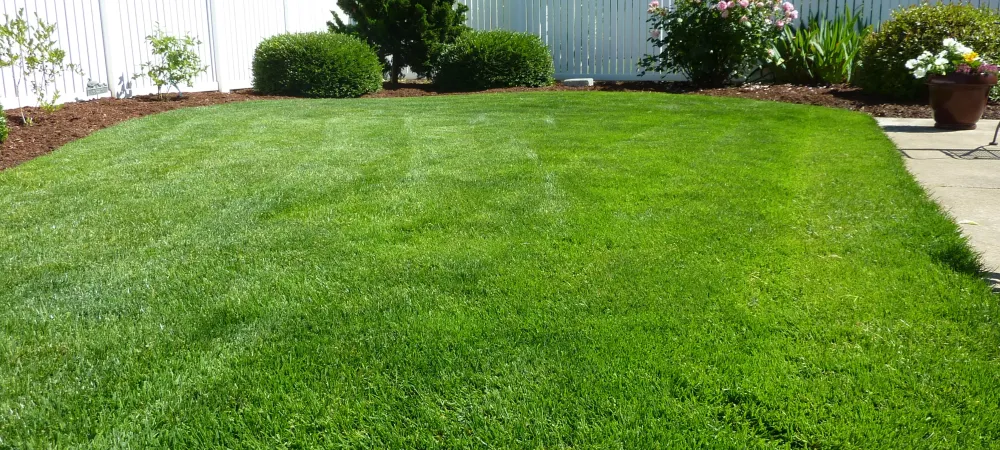
Spring and Early Summer Lawn Care in New Hampshire
Spring in coastal New Hampshire is equal parts excitement and temptation. The snow finally melts, the days get longer, and your lawn starts showing signs of life again. It is also the season when well meaning lawn care efforts can accidentally set turf back for the rest of the year.
At Allegro Lawn, we focus on building a thick, resilient lawn by doing the right work at the right time. That starts with pre-emergent crabgrass control, targeted broadleaf weed control for common pests like dandelions and clover, and proactive grub prevention in late spring and early summer with Acelepryn.
If you want a lawn that looks better by July and keeps improving into fall, your spring plan should be built around prevention, gentle cleanup, and steady growth.
Why spring lawn care is different on the Seacoast
New Hampshire lawns do not wake up all at once. Soil warms slowly, nights stay cold longer than you would like, and turf spends weeks shifting from survival mode into growth mode. That matters because cool season grasses like Kentucky bluegrass, perennial ryegrass, and tall fescue rely on spring to rebuild roots and fill in thin areas. When we ask too much of the lawn too soon, it responds by staying thin, and thin turf is an open invitation to weeds.
Crabgrass is the classic example. It does not need perfect conditions. It needs space, sunlight, and the right soil temperatures. When turf is sparse after winter, and we do not protect it with a pre-emergent barrier, crabgrass takes advantage. Broadleaf weeds do the same. Dandelions, white clover, plantain, chickweed, and ground ivy thrive when turf is weak and inconsistent.
The goal for spring is simple. Keep the turf thick and steady, prevent weeds before they start, and avoid practices that stress recovering grass.
The single most important spring service: pre-emergent crabgrass control
If you only do one thing for your lawn in spring, make it pre-emergent weed control. Pre-emergent products create a protective barrier in the soil that stops crabgrass seedlings as they germinate. This is not a treatment that kills mature crabgrass later in the season. It is prevention, and it is far easier to prevent crabgrass than to fight it once it is established.
Crabgrass typically germinates when soil temperatures trend into the mid-fifties for several days. In our region, that often lands in the late April to mid-May window, but weather varies year to year. The best timing is early enough that the barrier is in place before germination begins, while still close enough to spring that it remains effective as temperatures climb.
A properly timed pre-emergent application does several things at once. It reduces crabgrass pressure through summer. It limits the need for reactive treatments later. It helps the lawn stay dense because the turf does not have to compete with a fast growing annual grass. It also supports the results of any other lawn care you do, because everything works better when crabgrass is not stealing water, nutrients, and sunlight.
Pre-emergent also helps with other weeds
Many homeowners think pre-emergent is only about crabgrass. Crabgrass is the headline, but it is not the whole story. A strong spring program also reduces other annual weeds that start from seed. That means fewer surprise weeds popping up in open soil areas, along driveways, and in thin patches that never quite bounced back from winter.
It is also worth saying that no program is perfect if the lawn is thin and stressed. Pre-emergent works best when paired with good mowing habits, proper fertilization, and consistent moisture.
Broadleaf weeds in spring: dandelions, clover, and the usual suspects
Even with a solid pre-emergent application, broadleaf weeds can show up because many of them are perennials that return from established roots. Spring is when you start seeing dandelions flower, clover spread, and plantain flatten out like little green landing pads in your turf. Chickweed can appear early as well, especially in areas with shade or compacted soil.
The key to broadleaf weed control is targeted treatment at the right moment, using products designed to control broadleaf plants while protecting grass. Done correctly, broadleaf weed control reduces existing weed populations and also limits seed production. That matters more than most people realize. Every dandelion you let go to seed is a future problem you will be dealing with for seasons.
Clover deserves special attention because it often signals a lawn that could use better fertility. Clover can thrive in lower nitrogen conditions, and it tends to creep into thin turf. Killing clover without improving turf density often leads to a new weed moving into the same space. The better strategy is to treat clover while also strengthening the lawn with proper nutrition and mowing practices that encourage grass to spread.
Dandelions are similar. They love open space and weak turf. Controlling dandelions is important, but long term success comes from thick grass that leaves no room for new weeds to establish.
What you should do right after the snow melts
Your lawn does not need heavy renovation the moment winter ends. It needs a gentle reset.
A light cleanup removes the debris that blocks sunlight and traps moisture. Leaves, sticks, and matted grass can create the perfect conditions for disease and weak growth. But there is a difference between cleanup and aggression.
A little raking with a spring rake is ideal. The goal is to lift winter matted turf, remove dead material on the surface, and help air and sunlight reach the crown of the grass. You are not trying to dig into the soil. You are not trying to tear out the lawn. You are simply helping it breathe.
If you see snow mold damage or areas that look straw colored, do not panic. In many cases, the grass will recover as temperatures warm and growth resumes. Gentle raking and time usually do more good than harsh mechanical work.
Why spring aeration and overseeding is usually a bad idea
This is where many homeowners get led astray. Aeration and overseeding are excellent services at the right time of year. Spring is usually not that time in New Hampshire.
In spring, your lawn is still recovering from winter. Roots are rebuilding. The plant is shifting back into active growth. When you mechanically aerate in spring, you create additional stress and disruption at a moment when turf is trying to stabilize. You also open up the soil surface and create ideal germination sites for weeds, especially if pre-emergent protection is not perfect.
Overseeding has a similar conflict. For grass seed to establish, it needs consistent moisture, mild temperatures, and time to develop roots before heat stress hits. Spring weather can look perfect for a week, then swing into dry, sudden heat. Even if the seed germinates, young seedlings often struggle when summer arrives. The result is disappointing, and the lawn ends up fighting weeds and heat at the same time.
There is another practical issue. The best crabgrass prevention relies on pre-emergent. Pre-emergent works by preventing seeds from establishing, and that includes grass seed. If you put down pre-emergent and then overseed, you are working against yourself. If you skip pre-emergent so you can seed, you often end up with crabgrass. Spring renovation forces a tradeoff that most lawns do not need.
For most properties, spring should be about weed prevention and steady growth, not renovation.
The better plan: aeration and overseeding in late summer and fall
If you want the best results from aeration and overseeding, late summer and early fall is the window to aim for. This is when cool season turf is at its best in New Hampshire. Nights cool down, humidity can be more manageable, and the lawn is naturally gearing up for its most aggressive root development of the year.
Aeration in late summer and fall helps relieve compaction, improves water movement into the soil, and creates excellent seed to soil contact for overseeding. Overseeding during this period gives new grass time to establish roots before winter. The seedlings are not immediately thrown into the harshest heat of the season. They have a chance to mature.
This timing also lines up better with the lawn’s natural growth cycle. Cool season grasses put more energy into roots in the fall than in spring. That is exactly what you want if you are trying to thicken the lawn and crowd out weeds for the next year.
When done at the right time, aeration and overseeding is not just a cosmetic improvement. It is one of the most effective ways to change a lawn's long term trajectory.
Mowing in spring and early summer: simple habits that prevent weeds
Spring mowing is not complicated, but it is surprisingly easy to get wrong. The biggest mistake is mowing too short. Short mowing stresses turf, exposes soil to sunlight, and creates space for weeds like crabgrass to take over.
A slightly higher mowing height encourages deeper roots and thicker turf. It shades the soil surface, which reduces crabgrass germination pressure. It also helps the lawn tolerate summer stress better.
Consistency matters too. When grass gets too tall and is then cut down hard, it shocks the plant and slows growth. A steady mowing schedule keeps the lawn more stable and reduces stress.
If you want your pre-emergent and broadleaf weed control program to work at its best, mowing practices are part of the equation. Thick turf is the goal, and mowing height is one of the easiest ways to support that.
Watering and spring weed control: why watering in matters
Water is a big part of spring success, especially once we get into late spring and early summer. It affects weed control, turf growth, and grub prevention.
For pre-emergent products, moisture helps move the material into the top layer of soil where it needs to be to form an effective barrier. Without enough water, the barrier can be uneven. A properly watered-in application performs better and lasts longer.
Steady moisture is the goal in the spring because we usually get plenty of rainfall this time of year. You do not need to drown the lawn.
For grub control, watering is essential. This is not optional. It is the difference between a treatment that performs and one that disappoints.
Grub control in late spring and early summer: why timing matters
White grubs are one of the most damaging lawn pests in New England. They are the larvae of beetles, and they feed on grass roots. When grub populations are high, you can see wilting, thinning, and patches that peel back like a rug because the roots have been eaten.
The best strategy is preventive grub control applied in late spring and early summer. This is when products can target young larvae more effectively and protect the lawn before damage becomes visible.
Waiting until you see damage is risky. By the time the lawn shows symptoms, grubs may already be large and feeding aggressively. Curative treatments can be harder to time and may not reverse damage quickly. Preventive control is more reliable for lawns with a history of grub activity, or properties in areas where grubs are common.
At Allegro Lawn, we use Acelepryn for grub control because it is a modern option that provides strong, long lasting protection when applied correctly.
Acelepryn grub control: effective protection with a responsible profile
Acelepryn is a widely used grub preventive that targets root feeding insects while offering a favorable safety profile when used according to the label. One of the reasons professionals prefer it is that it works at very low application rates and provides long residual control. That means fewer interventions and steadier protection during the season when lawns need it most.
Homeowners also care about what is being applied around their families and pets. It is smart to ask. No lawn product is risk free if it is misused, but Acelepryn is known for low toxicity to mammals when used as directed. In practical terms, that is why it is often chosen for residential lawns, school grounds, and other sensitive sites where people and pets spend time.
Environmental responsibility matters too. Acelepryn is designed to target certain pests with less impact on many beneficial organisms compared with older, broader spectrum insecticides. The goal is control where you need it, without unnecessary collateral effects.
The most important part of that sentence is “when used as directed.” Professional application, correct timing, and correct watering practices are what turn a good product into a great result.
Watering in grub control: the step that makes or breaks results
If you remember one thing about grub control, make it this. The application must be watered into the lawn.
Acelepryn needs to move into the soil zone where grubs feed. If it sits on the surface and does not get watered in, it cannot do its job effectively. Watering carries the active ingredient into the root zone and positions it where the young grubs will encounter it.
In most cases, the goal is enough irrigation to move the product off the leaf blades and into the soil. Rain can do this, and irrigation can do it. What you do not want is an application followed by weeks of dry weather with no watering. That is when results can suffer.
If you are not sure how much to water, Allegro Lawn will give you clear guidance after service so you can get the performance you are paying for.
Early summer lawn care: keeping momentum without triggering weeds
By early summer, the lawn should be fuller and more stable if spring work was timed correctly. This is the season when crabgrass would love to take over, broadleaf weeds try to spread, and grubs begin their cycle. It is also when homeowners can accidentally create problems by pushing too hard.
Heavy mechanical work, aggressive dethatching, or disruptive practices can open the canopy and let weeds in. Spring and early summer are better suited for maintenance, not renovation.
Feeding the lawn appropriately helps it stay competitive. Watering wisely helps it stay rooted. Proper mowing height helps it stay shaded and dense. This is where lawn care is less about dramatic transformations and more about protecting steady progress.
If you do those things, your lawn is set up for the best renovation window of the year in late summer and fall, when aeration and overseeding can be done with far better results.
What to expect if you start now
If you begin a spring and early summer program that emphasizes pre-emergent crabgrass control, broadleaf weed control, and preventive grub protection, you will usually notice a difference in the first season. You should see fewer weeds, more consistent turf color, and a lawn that holds up better when the weather swings.
The bigger payoff comes later. Weed prevention in spring reduces the weed seed bank that causes future problems. Grub prevention protects the root system that supports summer performance. Avoiding spring mechanical aeration reduces stress during recovery. Then, when late summer/fall arrives, the lawn is ready for aeration and overseeding, which is when you can truly thicken turf and change the lawn’s density for the long term.
That is how you build a lawn that keeps improving each year instead of resetting every spring.
Allegro Lawn’s approach: right timing, right products, right expectations
We are not interested in quick fixes that look good for two weeks. We want your lawn to be healthier in July, stronger in September, and better the following spring. That is why we emphasize pre-emergent weed control early, treat broadleaf weeds like dandelions and clover strategically, recommend avoiding spring mechanical aeration, and focus aeration and overseeding in late summer and fall. It is also why we use Acelepryn for preventive grub control and stress the importance of watering it into the lawn.
If you are on the Seacoast and you want a lawn care plan that respects New Hampshire’s seasons, Allegro Lawn can help. The sooner you start spring prevention, the easier the rest of the year becomes.